
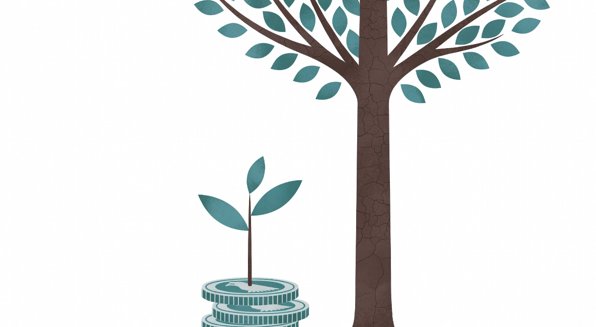
Compounding is the process by which investment returns themselves generate additional returns. Over long periods the effect can be dramatic — even with moderate average returns.
The key ingredients are time, consistency, and the reinvestment of earnings. Starting earlier (or contributing regularly) usually has a larger impact than trying to earn a slightly higher rate of return.
Why It Feels Slow at First
In the early years the growth from compounding is modest. Most of the visible progress comes from the contributions themselves. Later, the growth on prior growth becomes the dominant driver. This is why long time horizons are so valuable and why interrupting the process (by selling during declines, for example) can be costly.
Practical Implications
- Consistent contributions matter more than occasional large ones for many investors.
- Fees and taxes that reduce the compounding base can have an outsized long-term effect.
- Staying invested through market cycles allows compounding to continue working.
You can explore different assumptions with our compound interest calculator.
Educational only. Hypothetical results do not reflect actual investment performance. All investing involves risk.